
Strategic Foresight and Scenario Planning
About this programme
The Strategic Foresight and Scenario Planning programme builds capability around a live question. Participants explore disruption, construct scenarios, stress-test choices and define signposts. The result is an initial answer and methods the team can use again.
Who should attend?
Strategy, planning and risk professionals working on live strategic questions.
Why choose Strategic Foresight and Scenario Planning?
Foresight is learned by doing. Participants apply a broad method set to a real organizational question, exposing disagreements and producing work that continues after the programme.
Participants will learn how to
Recognize when foresight adds value beyond forecasts.
Frame a decision-relevant focal question.
Investigate drivers, trends, weak signals and critical uncertainties.
Construct plausible futures using methods suited to the question.
Wind-tunnel choices and define signposts.
Programme Content
Module 1
Frame the strategic question
- Distinguish uncertainty from risk, forecasting and sensitivity analysis.
- Define the decision, time horizon and required output.
- Map the external forces shaping the question and their system effects.
- Establish the assumptions embedded in the current strategy.
Module 2
Explore disruption and construct useful futures
- Identify trends, weak signals and critical uncertainties.
- Use futures wheels, trend radars and disruption analysis where useful.
- Apply nightmare competitor or scenario construction where appropriate.
- Develop contrasting futures with internal logic and strategic relevance.
Module 3
Stress-test the choices
- Apply wind-tunnelling to the strategy or proposed commitment.
- Identify where the strategy holds, becomes vulnerable or fails.
- Distinguish no-regret moves, contingent options and avoidable exposure.
- Examine implications for investment, sequencing and capability.
Module 4
Turn foresight into action
- Define signposts and indicators for critical uncertainties.
- Establish thresholds that trigger review, acceleration, delay or exit.
- Translate conclusions into owners, first moves and open decisions.
- Integrate the work into planning and strategy-review routines.
Meet your trainer
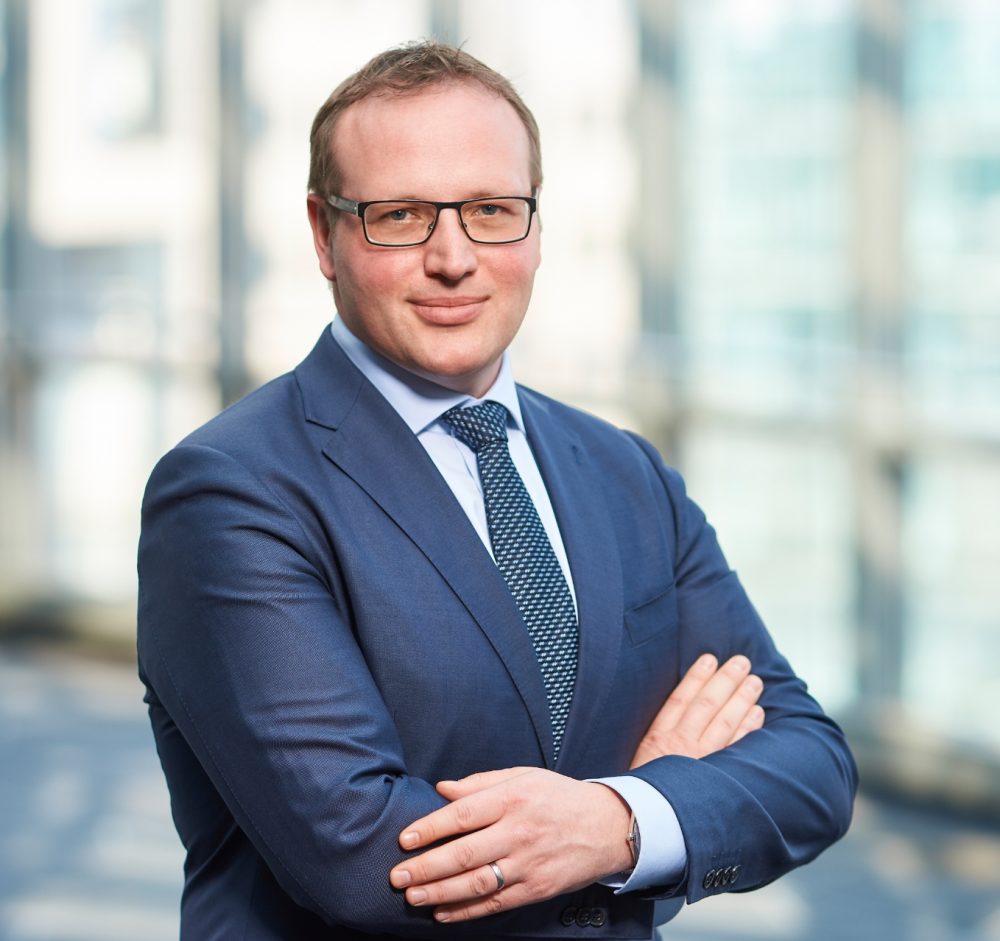
Dr Frank Heyd is founder of Heyd Strategy and former Head of Strategy and Organization at Porsche Consulting. He advises leaders across automotive, aerospace, defence and industrial businesses, designed and delivers a six-module scenario programme for the Bundeswehr, and serves as a guest lecturer at London Business School.
Interested in a tailored programme?
The intensive is adapted to the organization’s question, participants and planning process. It can focus on a company, business unit, market, investment or capability decision. Teams needing a complete exercise over time can use the Applied Scenario Programme.
